Garage Door Repair in Fort Worth
Find a local provider
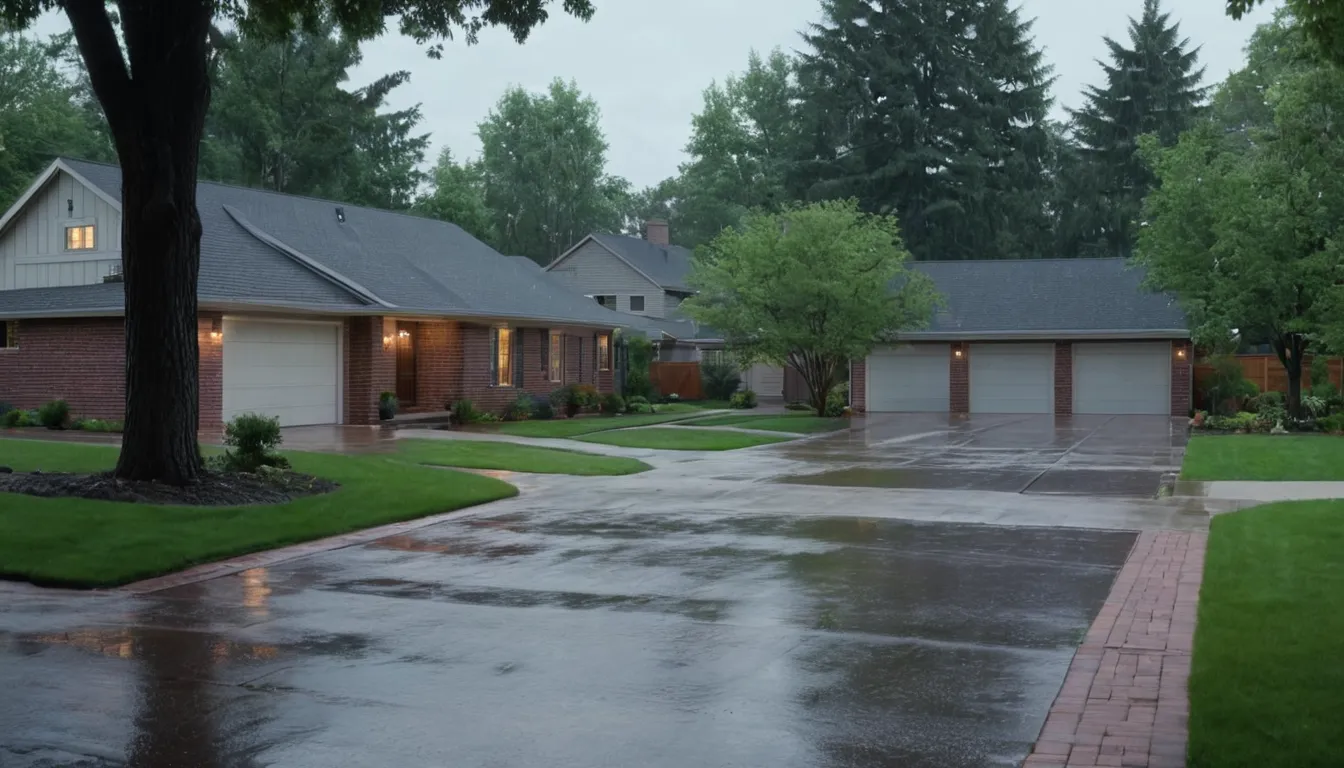
Garage doors work hard in Fort Worth. Hot summers, sticky air, and storm season all take a toll. When a door fails, you want a clear plan. This page explains the weather risks, how local homes affect your door, and what to ask a provider. Stronglyexpensive Garage Doors is a referral service. It links you with independent local providers who do the work. Then we map out simple habits that keep the door running.
Weather that tests a garage door
Summers near Fort Worth are hot and sticky. Metal parts grow in the heat, then shrink as night cools them. Over time, that stress loosens bolts and bends hardware.
Storm season brings other risks. Strong wind can push hard on a door that is weak or dented. Heavy downpours soak the bottom seal and the panel edges. Water can creep into the opener housing and the sensors. Power flickers can scramble the opener's settings.
Winters are mild. A hard freeze is rare. When one hits, grease gets stiff and the opener has to strain.
If a storm leaves your door crooked or stuck, ask about emergency garage service when you reach a provider. Availability varies.
Homes here, and what they mean for the door
Many homes in the region are single-story ranch houses on a concrete slab. The garage often shares a wall with the living space. Brick and vinyl siding frame the door opening. A loose frame or a sagging header can make a door bind.
Attics in these homes get very hot. If the garage sits under that attic, the heat bakes openers, wiring, and rubber. Plastic gears turn brittle. A new garage door opener may be a smart upgrade when yours is old, loud, or slow.
Older pier-and-beam houses sit up on short posts. Their garages may be added later, with a floor that slopes a little. A slope can throw off track alignment. That means the rails no longer sit straight and level. The door then rubs, binds, or leans.
Tell the provider what kind of house you have. It helps them pick the right parts and set the door correctly.
Questions to ask a provider
Before you agree to a visit, ask a few plain questions. Write down the answers.
About the visit:
- When can you arrive, and is that a window or a set time?
- Is there a visit fee, and does it apply to the repair if I go ahead?
- Will you give me a written quote before work starts?
About the work:
- Are you licensed and insured in my state?
- Do you carry springs and cables, or must you order them?
- Will you check track alignment and balance during the visit?
- What does the warranty on parts and labor say, in writing?
Spring jobs deserve extra care. Garage door spring repair means swapping the coiled part that balances the door's weight. Springs come in sizes and strengths, so ask the provider to match the new one to your door. Ask if both springs get changed as a pair. The second one often wears out soon after the first. Typical U.S. spring jobs run from about $150 to $350, but prices vary by door and parts. Get the number in writing.
What a typical job looks like
Every job differs, but most follow the same path.
- Reach out. Request a callback to describe the problem, or request an estimate online. Mention noises, damage, and the age of the door.
- Booking. The provider gives an arrival window. Times vary, and storms can make providers busy.
- Inspection. On site, the provider checks the springs, cables, rollers, tracks, and opener.
- Quote. You get a price in writing. You can say yes, or say no with no obligation.
- Repair. Fixes like rollers, a cable, or a spring can often finish in one visit if the parts are on hand. A new door can take longer.
- Test. The provider runs the door, checks the balance, and tests the safety reverse.
- Paperwork. Keep the invoice and any warranty note.
After the fix: keep it from coming back
A repair solves today's problem. Habits prevent the next one. Fix it, then maintain it.
- Once a month, watch the door move. Listen for new scrapes or pops.
- Twice a year, put garage-door lubricant on rollers, hinges, and springs.
- After a big storm, check the bottom seal and wipe the tracks.
- Ask the provider to show you the hand-lift balance test.
- Wave an object through the sensor beam as the door closes. It should reverse.
Book a yearly check with a local provider. Small fixes cost less than a big failure.
Your next step in Fort Worth
You do not need to sort this out alone. Describe what happened, ask the questions above, and compare written quotes. Take your time with big choices, like a full replacement. A steady plan beats a rushed one.
When you are ready, request an estimate for your Fort Worth home. A provider in our network can take it from there.
Our Services in Fort Worth
Why Fort Worth Chooses Stronglyexpensive Garage Doors
Advice built around local weather
Heat, humidity, and storm season each wear on doors in different ways. Knowing the risks helps you spot trouble early.
Smart questions
A short list of plain questions helps you compare providers and understand a quote before work begins.
Clear job steps
Know what happens from the first message to the final test, so nothing about the visit feels like a surprise.
Care after the repair
Simple monthly and yearly habits keep springs, tracks, and openers working longer and help prevent repeat breakdowns.
Ready for Help in Fort Worth?
Tell us what your garage door is doing. Request a callback to check provider availability, or send the request form and a local provider will follow up.
No obligationNearby Areas We Serve
Flower Mound Dallas Grapevine Colleyville Haltom City Cedar Hill Rendon Arlington
Reach a local provider
Tell us what your garage door is doing. Request a callback to check provider availability, or send the request form and a local provider will follow up.
No obligation